
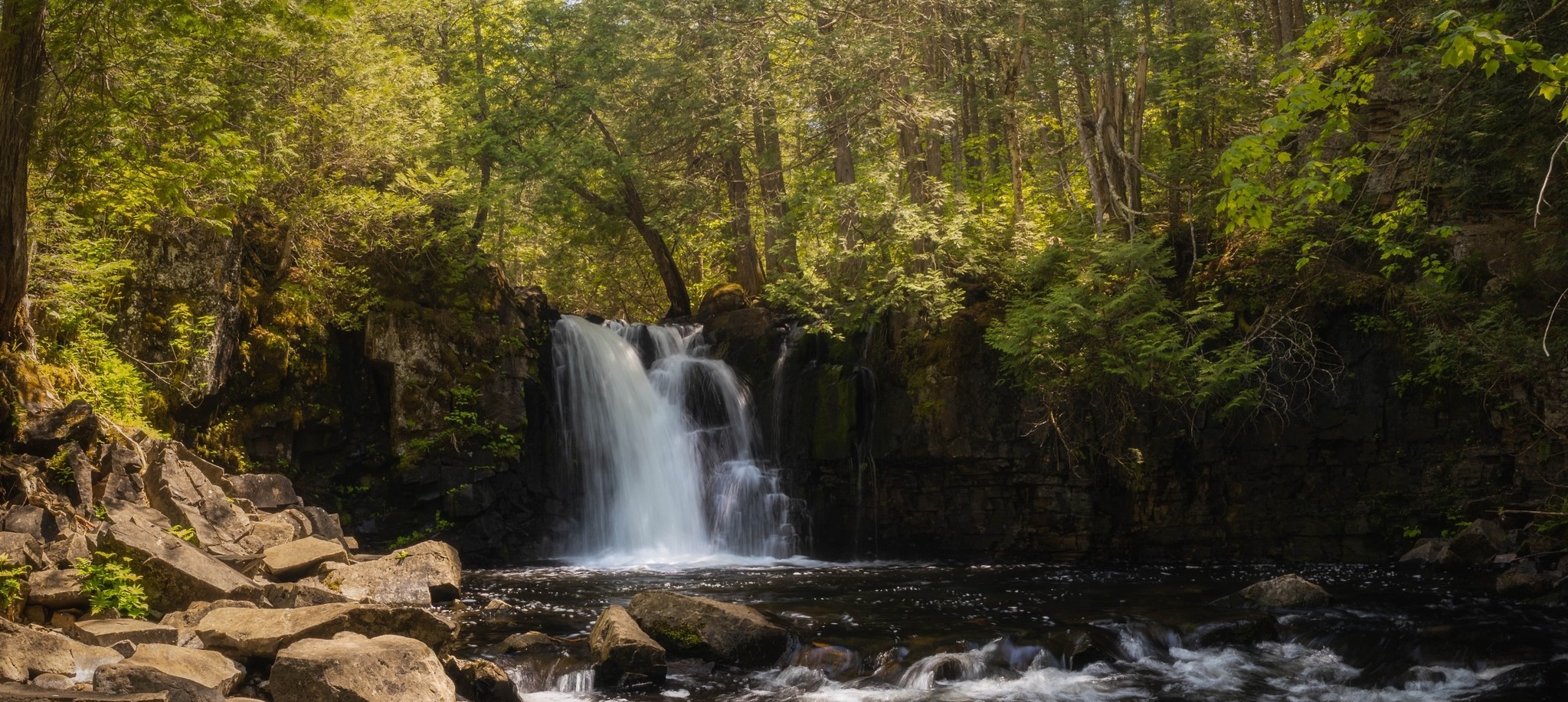
Minnesota Travel Guide 2026: Everything You Need to Know Before You Explore
Minnesota is a six-region state spanning roughly 87,000 square miles, with more miles of shoreline than California, Florida, and Hawaii combined, according to the Minnesota Department of Natural Resources. Whether you’re a first-time visitor or a longtime resident, this Minnesota travel guide covers every region, what to expect in each season, and how to plan a trip that goes beyond the obvious.
Quick Answer: Minnesota Travel Guide 2026
- Minnesota spans 6 distinct regions: Twin Cities, North Shore, Boundary Waters, Central Lakes, Southern Minnesota, and small towns.
- The state covers ~87,000 square miles and contains 11,842 named lakes, according to the Minnesota DNR.
- The Boundary Waters Canoe Area Wilderness covers over 1 million acres and requires advance permits.
- Best time to visit depends on activity: summer for lakes, fall for foliage, winter for ice fishing and snow sports.
- Minnesota has 75 state parks, all accessible with one annual DNR vehicle permit.
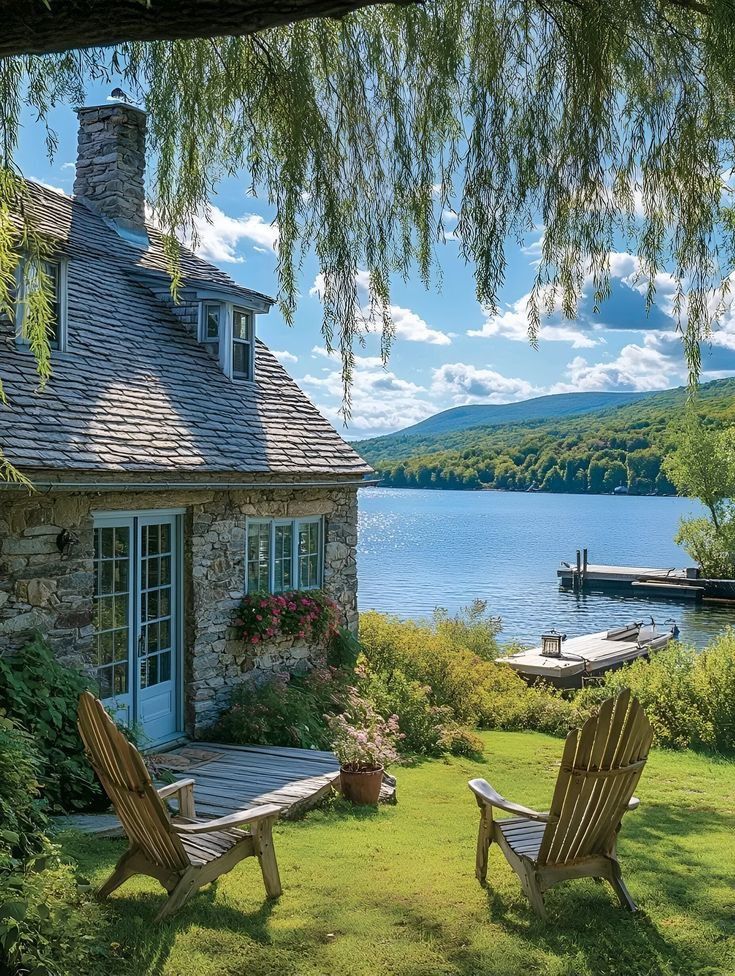
How Large Is Minnesota, and Why Does It Matter for Planning?
Minnesota is the 12th largest state in the U.S. by total area, covering approximately 86,936 square miles, according to the U.S. Geological Survey. Travel distances between regions are significant: driving from the Twin Cities to the Boundary Waters entry points takes approximately 3.5 to 4 hours under normal conditions. Budget an extra day of travel time when planning multi-region itineraries.
What Are the Six Regions of Minnesota, and What Is Each Known For?
Minnesota divides into six distinct regions, each with its own landscape, culture, and visitor experience. Knowing the differences before you plan saves time and sets realistic expectations.
Twin Cities
North Shore
Boundary Waters
Central Lakes Region
Southern Minnesota
Minnesota Small Towns
What Are the Six Regions of Minnesota, and What Is Each Known For?
Minnesota divides into six distinct regions, each with its own landscape, culture, and visitor experience. Knowing the differences before you plan saves time and sets realistic expectations.
Twin Cities
North Shore
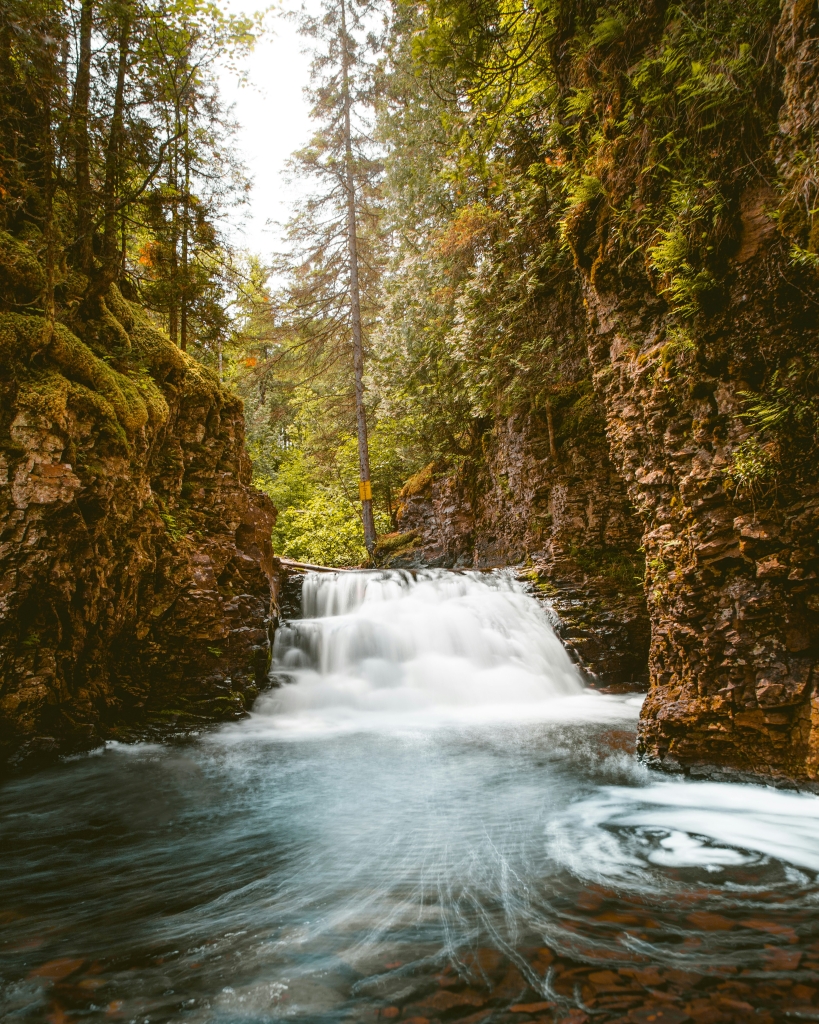
Boundary Waters
Central Lakes Region
Southern Minnesota
Minnesota Small Towns
What Do Experts Say About Visiting Minnesota?
“Minnesota is genuinely four different destinations depending on what time of year you arrive. Most travelers only see the summer version, and they’re missing more than half of what makes the state worth visiting,” said Kate Havelin, travel author and contributor to Minnesota Monthly.
What Do Experts Say About Visiting Minnesota?
“Minnesota is genuinely four different destinations depending on what time of year you arrive. Most travelers only see the summer version, and they’re missing more than half of what makes the state worth visiting,” said Kate Havelin, travel author and contributor to Minnesota Monthly.
How Large Is Minnesota, and Why Does It Matter for Planning?
Minnesota is the 12th largest state in the U.S. by total area, covering approximately 86,936 square miles, according to the U.S. Geological Survey. Travel distances between regions are significant: driving from the Twin Cities to the Boundary Waters entry points takes approximately 3.5 to 4 hours under normal conditions. Budget an extra day of travel time when planning multi-region itineraries.
Minnesota by the Numbers
| Statistic | Figure | Source |
|---|---|---|
| Total area | 86,936 sq miles | U.S. Geological Survey |
| Named lakes | 11,842 | Minnesota DNR |
| State parks | 75 | Minnesota DNR |
| BWCA acreage | 1,090,000+ acres | USDA Forest Service |
| Superior Hiking Trail length | 310 miles | Superior Hiking Trail Association |
| Twin Cities metro population | ~3.7 million | U.S. Census Bureau, 2023 |
| Stillwater annual visitors | 1 million+ | Washington County Tourism |
Frequently Asked Questions About Minnesota
It depends on what you’re looking for. Summer (June–August) is peak season for lakes, paddling, and festivals. Fall (September–October) is ideal for the North Shore and leaf color. Winter offers ice fishing, cross-country skiing, and a distinct local culture. Spring is short but scenic.
Yes. A permit is required for overnight trips into the BWCA, and day-use permits are required in some entry points during peak season. Permits are issued by the USDA Forest Service and should be reserved well in advance.
Lanesboro, Red Wing, New Ulm, and the Lanesboro area of the Root River valley consistently stand out as underrated. Southern Minnesota more broadly is overlooked relative to what it offers.
Minnesota has 75 state parks managed by the Minnesota Department of Natural Resources (DNR). An annual vehicle permit covers entry to all of them.
No. Minnesota has four distinct and genuinely different seasons. Winter brings ice fishing, snowshoeing, and a cozy small-town culture that’s central to local identity. Many residents consider fall and early winter the most atmospheric times to explore.
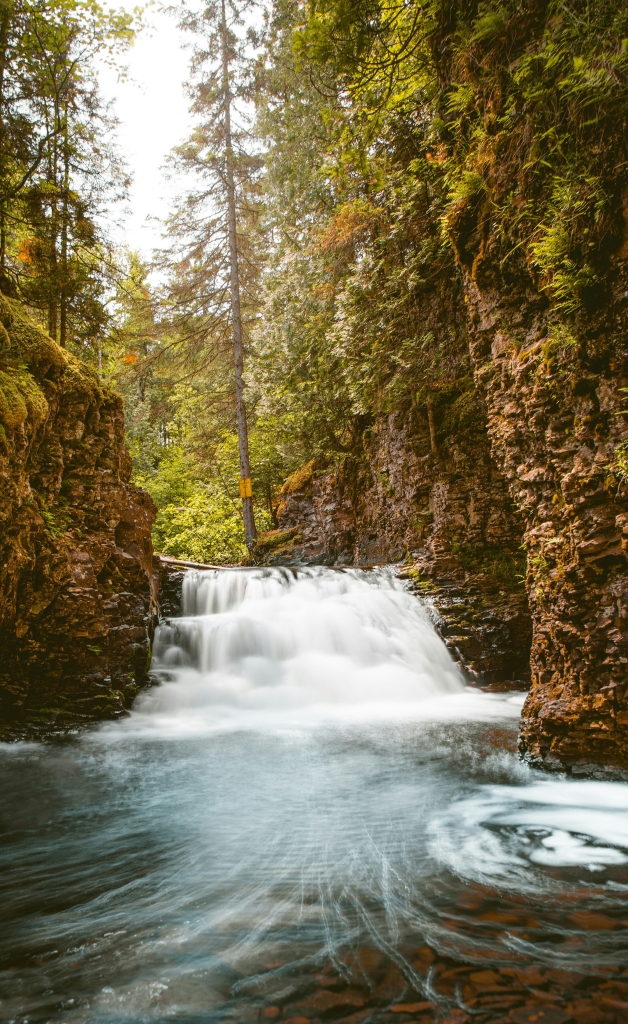
The North Shore — Highway 61 from Duluth to Grand Portage — is known for its waterfalls, Lake Superior views, hiking (including parts of the Superior Hiking Trail), small harbor towns like Grand Marais, and exceptional fall color.
Minneapolis is generally the larger, more commercially developed of the two, with a stronger arts and nightlife scene. St. Paul is the state capital, with a more historic built environment and a slightly slower pace. Both are worth spending time in.
Start Exploring Minnesota in 2026
Minnesota’s six regions — Twin Cities, North Shore, Boundary Waters, Central Lakes, Southern Minnesota, and its small towns — offer a wider range of experiences than most travelers or residents fully take advantage of. With 11,842 named lakes, 75 state parks, and more than 1 million acres of wilderness, the state rewards both the first-time visitor and the resident looking to go deeper.
Last updated: April 2026 | Version 2.0 | Data window: 2023–2026 | Next review date: October 2026
Use the region guides to find where to start, or browse by season, activity type, or town.
Minnesota vs. Comparable Midwest Destinations: How Does It Stack Up?
| Feature | Minnesota | Wisconsin | Michigan |
|---|---|---|---|
| Named lakes | 11,842 | ~15,000 | ~11,000 |
| Designated wilderness canoe area | BWCA (1M+ acres) | None comparable | None comparable |
| Major metro | Minneapolis–St. Paul (3.7M) | Milwaukee (1.6M) | Detroit (4.4M) |
| Superior Hiking Trail access | Yes (310 miles) | No | No |
| State parks | 75 | 66 | 103 |
| Fall foliage quality | Excellent (North Shore) | Good | Excellent (UP) |
| Winter recreation depth | Extensive | Moderate | Moderate–High |
Sources: Minnesota DNR, Wisconsin DNR, Michigan DNR, U.S. Census Bureau 2023
What Is The Minnesota Guide, and Who Is It Built For?
The Minnesota Guide is a curated regional resource covering things to do, places to eat, weekend itineraries, and seasonal experiences across all six regions of the state. The focus is quality over volume — specific, experience-tested recommendations rather than exhaustive aggregated lists. According to a 2023 Destination Analysts report, 67% of travelers say they trust locally curated travel content more than national travel platforms when planning regional trips.
The guide is designed for four types of readers: longtime Minnesota residents who want to rediscover the state, new residents still getting oriented, travelers planning a first visit, and people who prefer seasonal and local-focused content over generic roundups.
Start Exploring Minnesota in 2026
Minnesota’s six regions — Twin Cities, North Shore, Boundary Waters, Central Lakes, Southern Minnesota, and its small towns — offer a wider range of experiences than most travelers or residents fully take advantage of. With 11,842 named lakes, 75 state parks, and more than 1 million acres of wilderness, the state rewards both the first-time visitor and the resident looking to go deeper.
Last updated: April 2026 | Version 2.0 | Data window: 2023–2026 | Next review date: October 2026
Frequently Asked Questions About Minnesota
It depends on what you’re looking for. Summer (June–August) is peak season for lakes, paddling, and festivals. Fall (September–October) is ideal for the North Shore and leaf color. Winter offers ice fishing, cross-country skiing, and a distinct local culture. Spring is short but scenic.
Yes. A permit is required for overnight trips into the BWCA, and day-use permits are required in some entry points during peak season. Permits are issued by the USDA Forest Service and should be reserved well in advance.
Lanesboro, Red Wing, New Ulm, and the Lanesboro area of the Root River valley consistently stand out as underrated. Southern Minnesota more broadly is overlooked relative to what it offers.
Minnesota has 75 state parks managed by the Minnesota Department of Natural Resources (DNR). An annual vehicle permit covers entry to all of them.
No. Minnesota has four distinct and genuinely different seasons. Winter brings ice fishing, snowshoeing, and a cozy small-town culture that’s central to local identity. Many residents consider fall and early winter the most atmospheric times to explore.
The North Shore — Highway 61 from Duluth to Grand Portage — is known for its waterfalls, Lake Superior views, hiking (including parts of the Superior Hiking Trail), small harbor towns like Grand Marais, and exceptional fall color.
Minneapolis is generally the larger, more commercially developed of the two, with a stronger arts and nightlife scene. St. Paul is the state capital, with a more historic built environment and a slightly slower pace. Both are worth spending time in.
Minnesota at a Glance
Population
5.1M
Size of State
12th Largest
Best Known for
10,000 Lakes
Best Time To Visit
May-October
Best Kept Secret
Food Scene
Closest Airport
MSP
Latest Posts
Instagram feed
Error: No feed found.
Please go to the Instagram Feed settings page to create a feed.